

What is Iterian PredictiveEvents?
In the age of big data, demanding customer expectations, and increasingly aggressive competitors, organizations are moving from traditional analytics/reporting solutions that provide a snapshot of the past (hindsight) to solutions that provide an accurate picture of the present and a prediction of future trends (foresight).
As a result, predictive analytics is one of the most powerful approaches that companies can use to compete and win with analytics. The process involves understanding: What happened? What is happening? And ultimately, what will happen?
Anticipating customer needs, preferences, attitudes and behaviors can help marketers to make informed decisions and increase positive outcomes of their strategies. As the ultimate goal of predictive analytics is to anticipate the outcome of future events, business applications for predictive analytics are broad. They include predicting sales and marketing customer behaviors, fraudulent insurance claims, military supply chain problems, customer attrition, and the spread of the infections, such as the H1N1 flu.
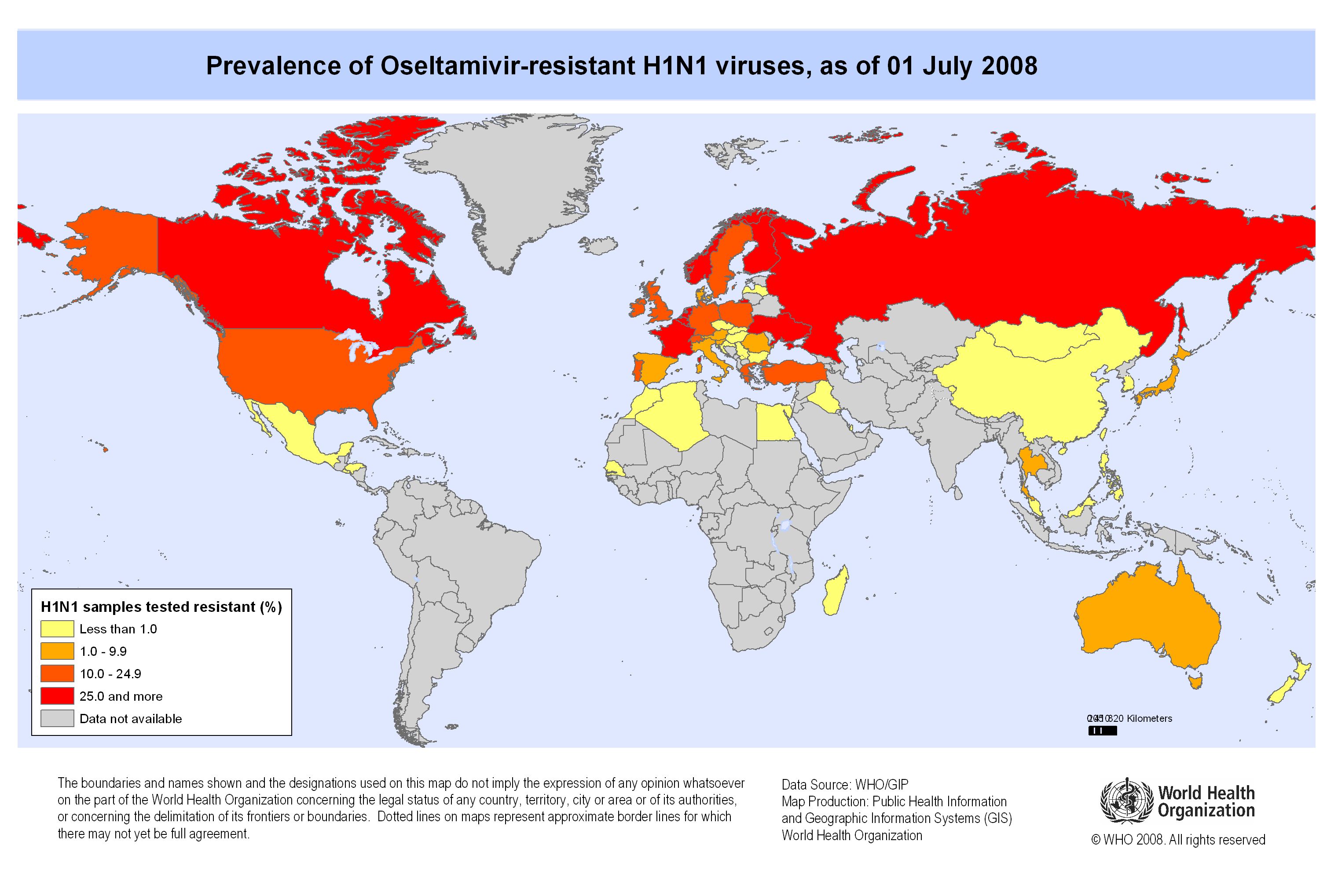
During the 2009 pandemic of H1N1 influenza virus or swine flu, Google was able to leverage search term activities to predict the spread of the H1N1 disease two weeks ahead of the governments reports. This knowledge enabled state and local healthcare to ensure the availability of medicine resources and treatment for patients.
Predictive analytics is made up of predictive modeling and forecasting. Predictive modeling aims to address the who, when, and why questions for business issues, such as those related to customer behavior, product usage, and likelihood to purchase.
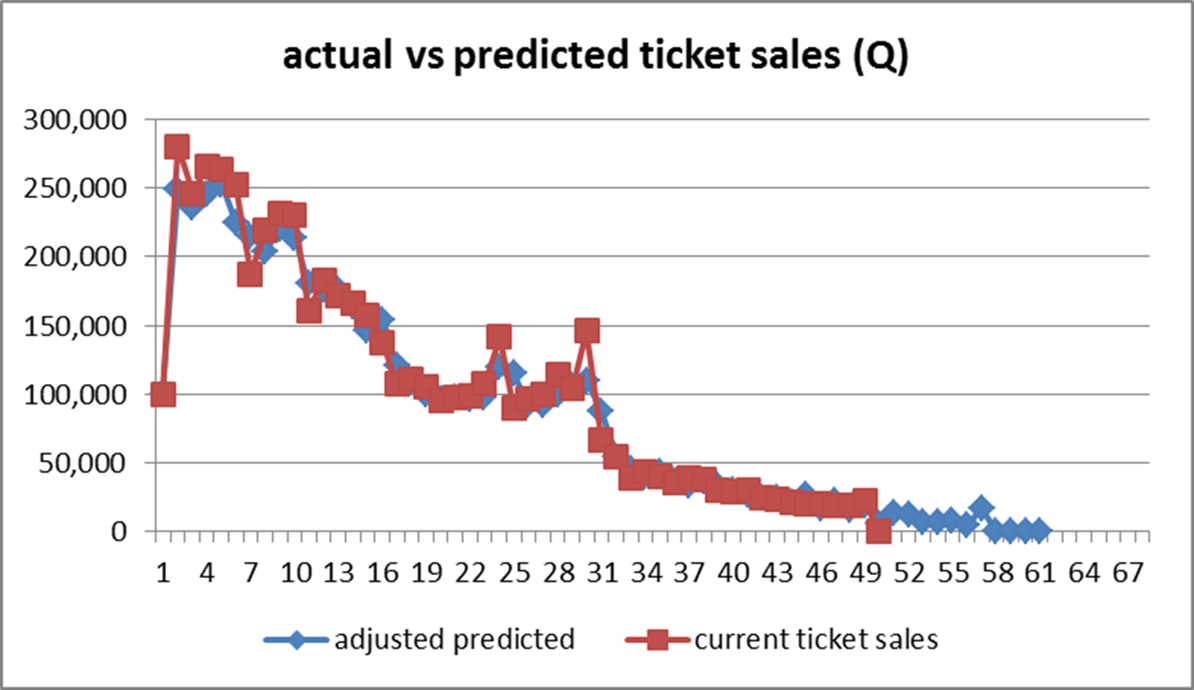
Questions we can answer with predictive models include:
- Which of my existing customers will turn to the competition?
- Why will my existing customers leave?
- When will my customers leave?
Forecasting will generally provide answers to questions such as:
- How many customers will you lose in the next 6 months to competition?
- How many people will be affected with a certain pandemic disease in the next 12 months in a given country?
- What are the expected liabilities from incurred, but not reported, insurance claims?
Major benefits of predictive analytics include effective and profitable campaigns with messages and offers that are relevant to the target recipients. Organizations can increase response rate by identifying customers that are most likely to respond to an offer or most likely to leave for a competitor, increase acquisition rate, reduce marketing campaigns costs and even save some lives (per the H1N1 example above).
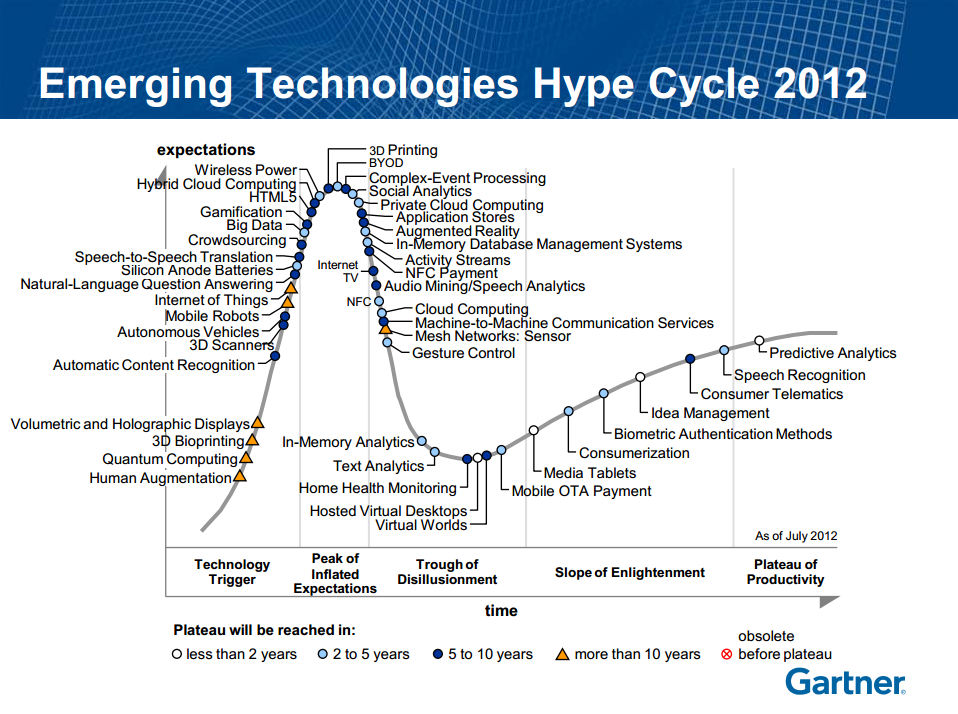
So, it is a great time for organizations to build predictive models as big data offers opportunities to integrate multiple types of data insights from a variety of sources – all helping to enrich existing predictive models and therefore innovate.
Check how PredictiveEvents will allow your organization to seize their future.